Floral Deer Skull: A Designer's Real-World Embroidery Review
When I first opened the Floral Deer Skull file, my initial reaction wasn't about the technical specs or the file formats. It was about the mood. There is a distinct energy to this design that bridges the gap between rustic charm and modern edge. As someone who has spent years evaluating digital assets for real-world embroidery projects, I look past the pretty picture on the screen to see how it will actually perform under the needle. This piece feels like a natural fit for the contemporary maker who wants to move away from generic floral patterns and create something with a bit of narrative depth.
The concept of a deer skull adorned with blooming flowers creates a striking juxtaposition. It speaks to themes of nature, rebirth, and perhaps a touch of the macabre, which is incredibly popular in current craft trends. However, visual appeal is only half the battle. The true test lies in how this embroidery project translates from a flat vector into a textured, stitched reality. In this review, I am putting Floral Deer Skull through its paces as if I were preparing it for a client order or a boutique collection.
First Impressions: Design Personality and Layout
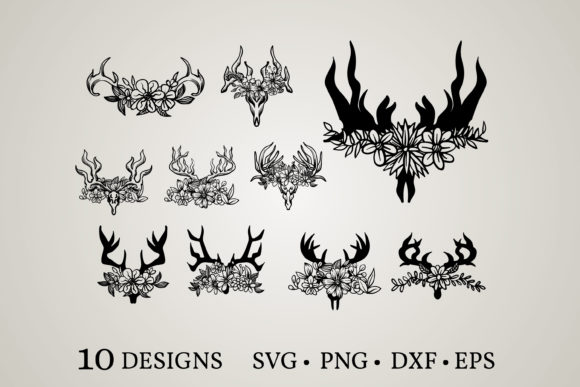
The layout of Floral Deer Skull suggests a balanced composition that works well as a central focal point. Unlike some designs that rely heavily on dense fill stitches, this one appears to utilize a mix of running stitches for delicate details and satin stitches for definition. This balance is crucial for maintaining clarity on various fabric textures. The flowing lines of the floral elements soften the geometric structure of the skull, making it approachable enough for nursery decor while retaining the edginess required for streetwear or adult apparel.
From a design asset perspective, the vector quality seems robust. When I imagine this on a canvas tote bag versus a baby onesie, the scalability holds up. The negative space around the main subject allows the eye to rest, preventing the finished product from feeling cluttered. For an Etsy seller or small business owner, this kind of clean, versatile aesthetic is gold. It doesn't scream "trendy" so much as it whispers "timeless," which increases the likelihood of repeat purchases and long-term sales.
Real-World Application: From Screen to Stitch
Let's talk about where this design truly shines. I recently imagined using Floral Deer Skull for a custom embroidered sweatshirt line aimed at outdoor enthusiasts. The contrast of a dark charcoal hoodie with the vibrant thread colors would make the floral elements pop without overwhelming the wearer. The design fits perfectly on the chest area, creating a subtle statement piece rather than a loud logo.
However, the versatility extends far beyond hoodies. I envision this design being perfect for a series of holiday gifts. Imagine a set of kitchen towels featuring this motif; the floral aspect brings warmth to the home, while the skull adds a unique conversation starter for guests. Similarly, for those looking to create personalized gifts, placing Floral Deer Skull on a leather patch attached to a denim jacket or a cap offers a high-end, artisanal feel. The design works exceptionally well for custom apparel because it avoids the pitfalls of overly thin lines that often get lost in the stitching process.
In the realm of baby items, the application requires more caution. While the floral theme is gentle, the skull element might not appeal to every parent. Yet, for parents with a specific alternative aesthetic, this could be a standout item for a baby blanket or a milestone photo prop. The key here is selecting the right thread colors. Soft pastels for the flowers against a neutral background can tame the skull's intensity, making it suitable for baby embroidery collections.
Navigating Technical Challenges and Fabric Choices
No design is flawless, and understanding the limitations of Floral Deer Skull is vital for professional results. If you are working with a small hoop size, such as 4x4 inches, you must be mindful of the intricate details within the skull's eye sockets or the finer petals. Small hoops often require simplifying the digitization, but since we are dealing with a pre-made file, the risk of losing detail is real. I strongly advise testing the design on scrap fabric first to ensure the tiny elements stitch out clearly without tangling.
Fabric texture plays a massive role in the final outcome. On a smooth cotton twill, the design will likely look crisp and professional. However, on a highly textured fabric like heavy boucle or a thick fleece, the details might get swallowed by the pile. Furthermore, stretchy fabrics present a challenge. Without proper stabilizer usage, the tension of the stitches could cause the fabric to pucker, distorting the symmetry of the skull and flowers. For commercial embroidery, always use a cut-away stabilizer for stability, especially on garments that will undergo frequent washing.
Dense stitch areas are another consideration. If the design includes large blocks of fill stitch, the fabric may become stiff. This stiffness is undesirable for items like aprons or pillow covers where drape and softness are important. You might need to adjust the stitch density in your software or choose a lighter weight fabric to compensate. Also, be wary of using this on dark fabrics without a high-quality underlay, as the thread coverage might not be sufficient to hide the base material.
Visual Appeal and Customer Trust
The success of any handmade product often hinges on the perceived value. A well-executed Floral Deer Skull design elevates a simple tote bag into a curated fashion accessory. Customers are willing to pay a premium for items that show attention to detail and artistic intent. When the stitching is clean and the alignment is precise, it signals professionalism and builds trust. Conversely, sloppy execution can ruin even the best design, leading to returns and negative reviews.
This design also offers excellent potential for branding. A boutique owner could use variations of this motif across their entire product line—caps, bags, tags—to create a cohesive brand identity. The unique combination of nature and bone imagery sets the brand apart from competitors selling generic floral patterns. It creates a recognizable signature that customers associate with quality and style.
Practical Notes for the Discerning Maker
Before you commit to a full production run, there are several steps you must take to ensure success. First, check the file compatibility. The product description mentions SVG files for Cricut Design Space, DXF for AutoCAD, PNGs for transparency, and an EPS file. While these formats are excellent for cutting machines and graphic design, machine embroidery often requires specific .pes, .dst, or .jef files depending on your machine brand. Ensure you have the correct format for your embroidery machine or that you can convert the vectors accurately without losing quality.
Thread color selection is critical. Test your choices against the fabric background. High contrast is generally safe, but low contrast can create a muddy look if the stitch density isn't perfect. Always inspect small details closely; sometimes what looks fine on a monitor appears jagged when stitched. Using a monochrome mockup can help you visualize the silhouette and density before committing to expensive threads.
Licensing is another non-negotiable aspect. If you plan to sell finished products featuring Floral Deer Skull, confirm that the license allows for commercial use. Many digital products come with restrictions on how many units you can produce or whether you can resell the digital file itself. Read the terms carefully to avoid legal issues down the road.
Ultimately, Floral Deer Skull is a compelling choice for designers looking to add depth and character to their work. It balances artistic flair with practical application, provided you respect the technical nuances of embroidery. Whether you are creating a single gift for a friend or building a robust inventory for your shop, this design has the potential to be a standout piece. Just remember: the magic happens in the preparation, not just the printing or cutting. Take the time to test, stabilize, and refine, and you will end up with a finished product that reflects the skill and care you put into it.