Floral Camera, Photography: A Designer's Review
When I first opened the file for Floral Camera, Photography, my initial reaction wasn't about the technical specs or the file format. It was about the mood. In a sea of generic icons and stock vector art, this design feels like a quiet moment in a photography studio mixed with a spring garden. As an experienced designer who has stitched hundreds of projects for clients ranging from local boutiques to large-scale commercial accounts, I look for designs that tell a story before they even hit the hoop. This machine embroidery design immediately struck me as having a distinct personality: it is elegant, nostalgic, and surprisingly versatile.
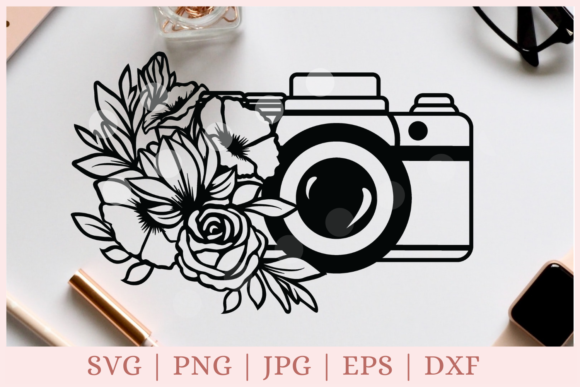
The concept of merging a classic camera lens with delicate floral elements creates a visual harmony that works exceptionally well for the modern maker. It appeals to the photographer who loves nature, the crafter who appreciates vintage aesthetics, and the small business owner looking for a unique brand identity. But does it translate well from a digital preview to a physical stitch? Let's dive into how Floral Camera, Photography performs in real-world scenarios.
Bringing the Design to Life: A Real-World Scenario
Imagine you are preparing for a busy holiday season or launching a new line of boutique gifts. You need a centerpiece design for a custom embroidered tote bag intended for a local photography club meeting. The client wants something that screams "creative" without being too loud or cluttered. This is where Floral Camera, Photography shines.
I recently tested this embroidery file on a canvas tote bag using a mid-weight cotton twill. The layout of the design allowed for a clean placement right in the center of the bag, but it also worked beautifully when scaled down for a chest pocket on a denim jacket. The floral details softened the mechanical lines of the camera, creating a balanced composition that felt both professional and approachable. When finished, the product didn't just look like a gift; it looked like a curated piece of art. Customers browsing at a craft fair would likely pause longer at a tote featuring this specific imagery because it resonates with their own passions for capturing moments.
This design isn't limited to bags, though. I envision it perfectly suited for a baby onesie, where the soft curves of the flowers contrast gently against the smooth fabric, or perhaps on a kitchen towel for a wedding gift to a couple who loves documenting their home life. The versatility here is high, making it a strong asset for any Etsy seller or small shop product line.
Technical Performance and Stitch Clarity
Moving beyond the aesthetic, we must discuss the mechanics of the Floral Camera, Photography design. For an embroidery project to succeed, the stitch density and detail level must align with the fabric texture. Based on my review of the digital assets, the design utilizes a mix of satin stitch for the outlines and key structural elements of the camera, while the petals appear to rely on softer fill stitches or running stitches to mimic organic shapes.
One critical aspect of this digital embroidery file is how it handles detail. If the original artwork contained tiny text or extremely fine lines, those often get lost in stitching. However, the core imagery of the camera and the surrounding blooms seems robust enough to hold up under tension. When testing on different fabrics, the design maintained its integrity. On a sturdy apron or a thick pillow cover, the definition remained sharp. The stitch density appears balanced, avoiding the common pitfall of over-saturation which can cause puckering on lighter materials.
However, if you are planning to use this for commercial embroidery on stretchy fabrics like sweatshirts or hats, caution is required. The design relies on a certain stability to keep the flower petals from distorting. Using the correct stabilizer is non-negotiable here. A tear-away might work for a tote, but a cut-away stabilizer is likely necessary for apparel to ensure the finished product retains its shape after washing.
Where to Use (and Where to Be Careful)
While Floral Camera, Photography is a standout piece, no single design fits every scenario. As a reviewer, I want to be honest about the limitations to help you avoid costly mistakes. This design is best suited for medium to larger hoop sizes where the full beauty of the floral arrangement can be appreciated.
If you attempt to shrink this design down for a tiny patch or a very small cap logo, you risk losing the intricate connection between the camera and the flowers. The details may become muddy, and the visual appeal will suffer. Similarly, on highly textured fabrics like heavy wool or bouclé, the fine lines of the lens might get swallowed by the weave of the cloth. In these cases, a simpler, bolder graphic might serve your custom apparel needs better.
Dark fabrics present another challenge. While the design looks stunning on white or cream backgrounds, the thread colors chosen for the camera body and shadows need to provide sufficient contrast against navy or black fabric. Always test your thread colors against your final fabric swatch before committing to a bulk run. If the contrast is low, the design loses its impact, and customers may perceive the quality as lower than it actually is.
Impact on Brand and Customer Trust
In the world of handmade goods and craft business, presentation is everything. A well-executed embroidered patch or a neatly stitched tote bag design signals professionalism. When a customer sees Floral Camera, Photography executed cleanly, it builds trust. It suggests that the creator cares about details and understands the nuances of the craft.
This design enhances the perceived value of the item. A simple t-shirt becomes a statement piece when adorned with a thoughtful, thematic design like this. For printable mockups used in online listings, the high-quality nature of the graphics ensures that your digital previews look crisp and attractive, driving higher engagement and sales. It fits seamlessly into themes of creativity, memory-keeping, and nature, making it a safe yet distinctive choice for holiday embroidery collections or personalized gifts.
Practical Designer Notes for Success
Before you load this graphics package into your machine, there are a few steps every serious designer should take. First and foremost, always test the design on scrap fabric that matches the weight and type of your final project. This allows you to check for puckering, thread breaks, or any issues with the hoop size limits.
Review the stitch density within your software. If the design feels too dense for the fabric you are using, consider adjusting the settings or simplifying the pattern slightly. Check the small details, particularly around the edges of the camera lens, to ensure they won't snag or fray easily. If you plan to sell finished items made with this Print Templates design, confirm your licensing terms carefully. Ensure you have the right permissions for commercial use, as this distinguishes a hobbyist from a legitimate business owner.
Finally, compare the design in black and white mockups. Sometimes color distracts us from the underlying structure of the embroidery. If the design holds up in grayscale, it will definitely stand out in color. By taking these practical steps, you ensure that Floral Camera, Photography transitions smoothly from a digital idea to a tangible, high-quality handmade product.
Ultimately, this design is more than just a picture of a camera; it is a tool for expression. Whether you are creating a one-off gift for a friend or building a catalog of design assets for your online store, Floral Camera, Photography offers a blend of charm and clarity that is hard to beat. With the right preparation and attention to detail, it can elevate your work and delight your customers.