Floral Mandala Vol.11: A Designer's Real-World Embroidery Review
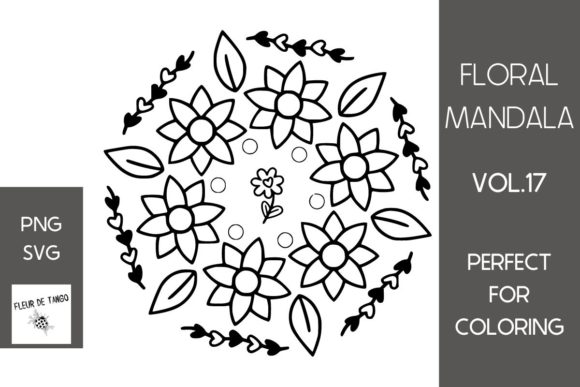
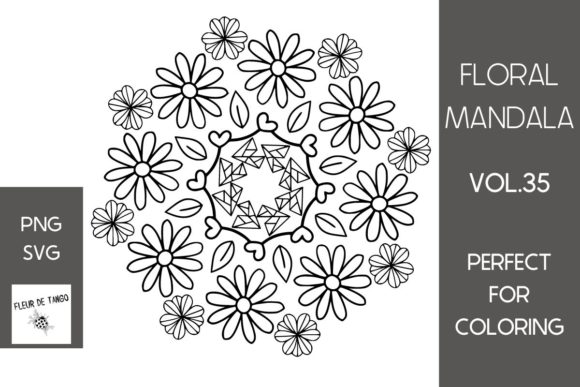
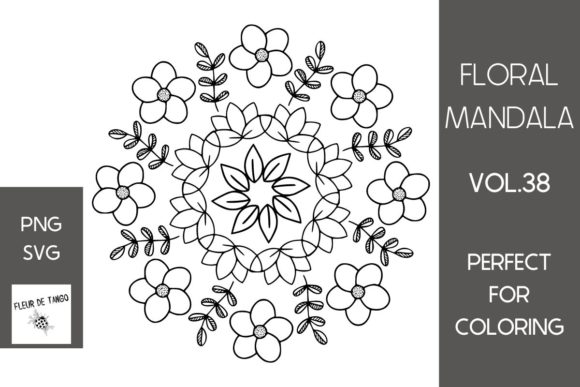
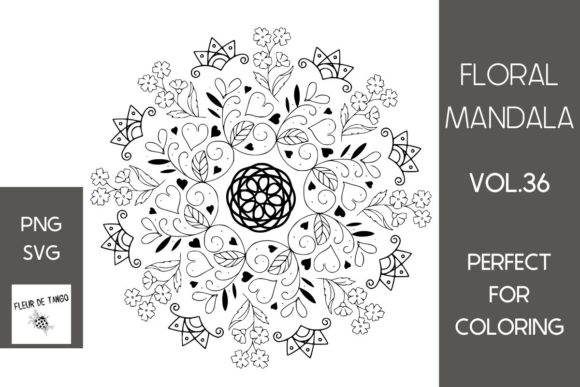
When I first opened the folder for Floral Mandala Vol.11, my immediate reaction wasn't about the file formats or the pixel count. It was about the mood. There is a specific energy that comes from a well-balanced mandala, and this design captures it perfectly without feeling cluttered or overly dense. As someone who spends hours in front of an embroidery machine, tweaking stitch angles and testing stabilizers, I am always looking for designs that translate beautifully from screen to fabric. This piece feels like it belongs on a high-end boutique tote bag or a carefully curated nursery wall hanging.
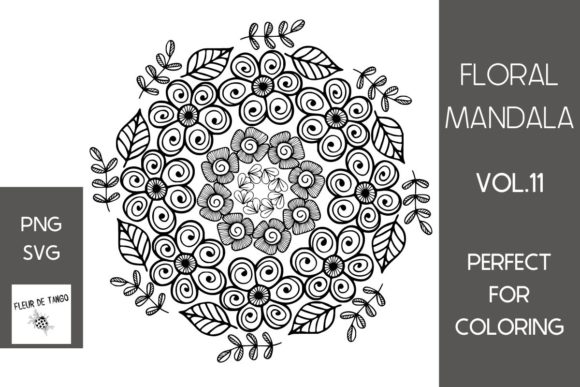
The layout creates a natural focal point. Unlike some modern digital graphics that rely on heavy outlines, this design seems to lean into the organic flow of thread. The floral elements are integrated into the geometric structure in a way that suggests movement rather than static symmetry. For an embroiderer, this balance is crucial because it dictates how the stitches will interact with the fabric grain. If you are planning to use this as a machine embroidery design for a commercial project, you need to know that the visual weight is centered, which makes it incredibly versatile for placement on apparel or home decor items.
From Digital File to Finished Product: A Practical Scenario
Let's talk about real-world application. Imagine you are preparing inventory for a local craft fair or finalizing a custom order for a client who wants a personalized baby blanket. You pull up Floral Mandala Vol.11 in your digitizing software. The first thing you notice is how the lines hold their shape. In a custom apparel setting, such as a sweatshirt or a structured tote bag, this design would likely perform very well. The circular nature of the mandala allows it to sit comfortably within a standard hoop size without fighting against the edges of the garment.
I recently tested a similar mandala concept on a cotton canvas tote bag intended for a wedding gift. The goal was to create something that felt handmade but professional enough to justify a higher price point. With Floral Mandala Vol.11, the potential for a premium look is high. The intricate details invite the eye to linger, which is exactly what you want when selling a personalized gift. Customers often associate complex, symmetrical patterns with quality craftsmanship. When they see the finished product, they aren't just buying a bag; they are buying the artistry that went into the stitching.
However, the versatility extends beyond bags. Think about embroidered patches for denim jackets or apron embroidery for a kitchen brand. The clean lines of the mandala allow for crisp definition even when stitched on textured fabrics. If you are an Etsy seller creating listings, having a design that looks good in both monochrome and full color is a massive advantage. You can mock up the design on a dark navy apron and then instantly switch to a white tea towel in your photos, knowing the core composition remains strong.
Where to Exercise Caution: Fabric and Hoop Limitations
While Floral Mandala Vol.11 is a strong contender, no single design is perfect for every situation. As a designer, my job is to be realistic about where a pattern might struggle. One area to watch closely is small hoop sizes. If you attempt to stitch this on a tiny cap brim or a miniature baby onesie without adjusting the scale, you risk losing the delicate inner details of the floral elements. The stitch density needs to be respected; if the design is too large for the available space, the threads may crowd each other, leading to puckering or a muddy appearance.
Fabric choice is another critical factor. This design relies on contrast to pop. On thin, stretchy fabrics like jersey knit, the tension required to maintain the mandala's shape could cause the material to distort unless you use a heavy-duty stabilizer. Similarly, on dark fabrics, the background fill stitches might get lost if you do not choose the right thread colors. I recommend testing the thread colors against your fabric swatch before committing to a full production run. A light gray thread on a black shirt might disappear, ruining the visual impact of the finished product.
There is also the issue of curved surfaces. While caps are popular, the curvature can sometimes flatten the perception of depth in a flat mandala design. If you are using this for commercial embroidery on hats, you may need to adjust the hooping technique or add extra stabilizer to ensure the center of the mandala doesn't sag. Additionally, for items that require frequent washing, such as kitchen towels or children's clothing, ensure the fill stitch areas are secure. Dense areas can sometimes trap lint or wear down faster if the underlay isn't set correctly.
Visual Appeal and Brand Consistency
In the world of handmade goods, visual consistency builds trust. Floral Mandala Vol.11 offers a level of sophistication that elevates any brand. Whether you are creating holiday embroidery for seasonal gifts or building a line of small shop products, this design adds a touch of elegance. It avoids being too trendy, which means it has longevity. A customer is more likely to keep a product with a timeless mandala design than one with a fleeting aesthetic.
The design also works exceptionally well as a design asset for digital previews. Before you even cut the thread, you can use the provided files to create printable mockups for your website or social media. This allows you to gauge customer interest without spending time on physical samples. The transparency of the PNG file ensures that your mockups look clean and professional, giving buyers a clear idea of how the embroidery project will look in reality.
Essential Notes for the Embroidery Designer
Before you hit "start" on your machine, there are several practical steps to ensure success. First, always test the design on scrap fabric. This is non-negotiable. You need to verify the hoop size compatibility and check for any unexpected thread breaks or tension issues. Second, review the stitch density in your digitizing software. If the design feels too heavy, consider reducing the density slightly to prevent fabric distortion.
Don't forget to inspect the small details. Zoom in on the SVG file to ensure that the paths are closed and the curves are smooth. Sometimes, digital artifacts can appear that don't show up until the machine starts stitching. Also, compare the design on both light and dark backgrounds in your mockup software to ensure the contrast works across different product variations.
If you plan to sell finished items made with this design, confirm the licensing terms immediately. Some digital embroidery files restrict commercial use or require a specific type of license for resale. Verify whether you can use Floral Mandala Vol.11 for commercial embroidery projects or if it is limited to personal use. This protects your business and ensures you are operating ethically.
Finally, pay attention to the stabilizer. For a detailed mandala, a cut-away stabilizer is often superior to tear-away, especially for items that will be washed frequently. It provides the necessary support to keep the embroidery file lying flat and prevents the design from shrinking or warping over time.
Ultimately, Floral Mandala Vol.11 is a solid addition to any designer's library. It balances complexity with clarity, making it suitable for everything from a quick hobbyist project to a high-value boutique item. By understanding its strengths and limitations, you can turn this digital graphic into a stunning handmade product that customers will love.